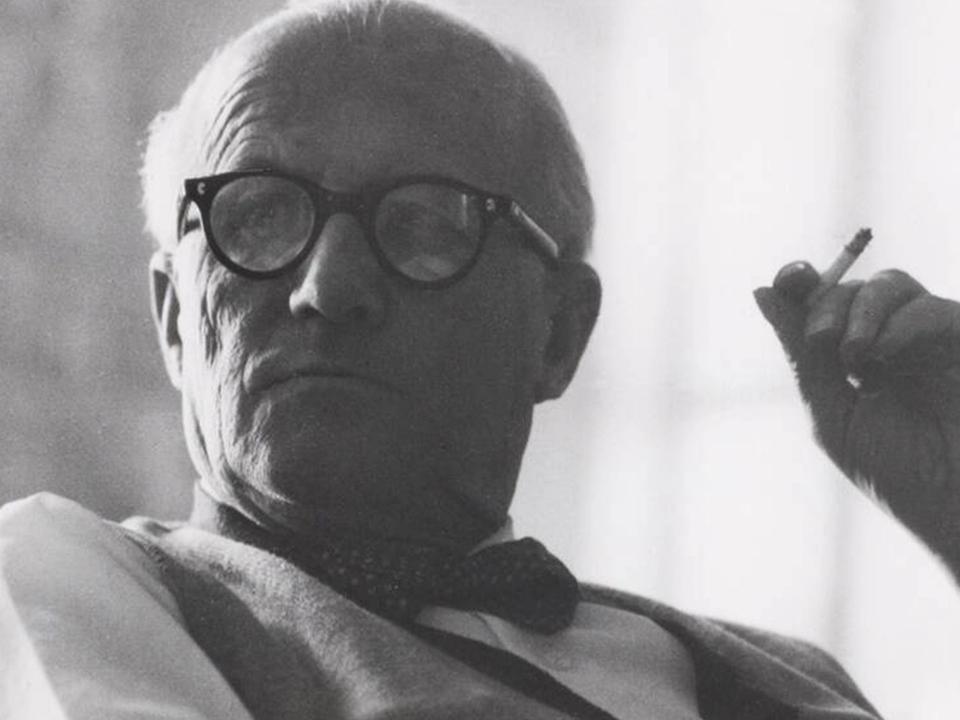
Le Corbusier
LE CORBUSIER (born Charles-Édouard Jeanneret; 1887 - 1965) was a visionary architect and designer who developed new models for post-industrial urban living. He based his design philosophy on systems of proportion, modularity, and geometry and these principles infiltrated his writing, theory, and painting, as well as urban planning. Though Le Corbusier took inspiration from historical architects such as Vitruvius, Leonardo da Vinci, and Leon Battista Alberti—polymaths who similarly explored the relationship between the body and the built environment—his designs were decidedly modern and unembellished. His buildings have been erected in France, India, Japan, and beyond. As a painter, Le Corbusier co-founded the early 20th-century Purist movement, which dictated that objects should be depicted in their most pared-back forms. He later embraced a more abstract sensibility centered on lines, shadows, and curvilinear shapes.
(Source: Artsy)
Exhibitions
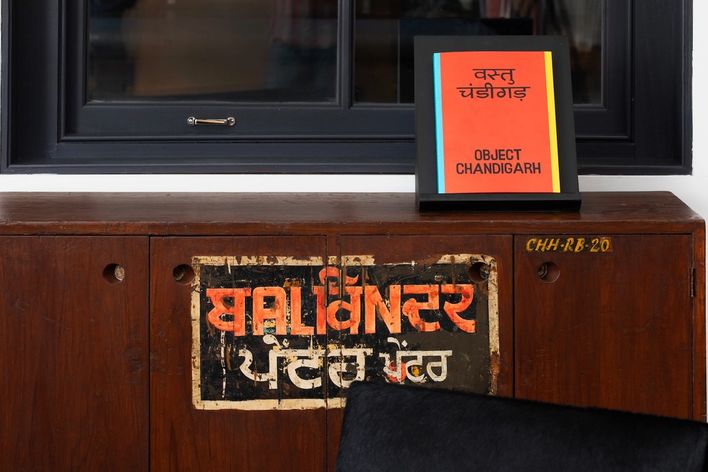
Object Chandigarh: Book Launch + Exhibition
Work
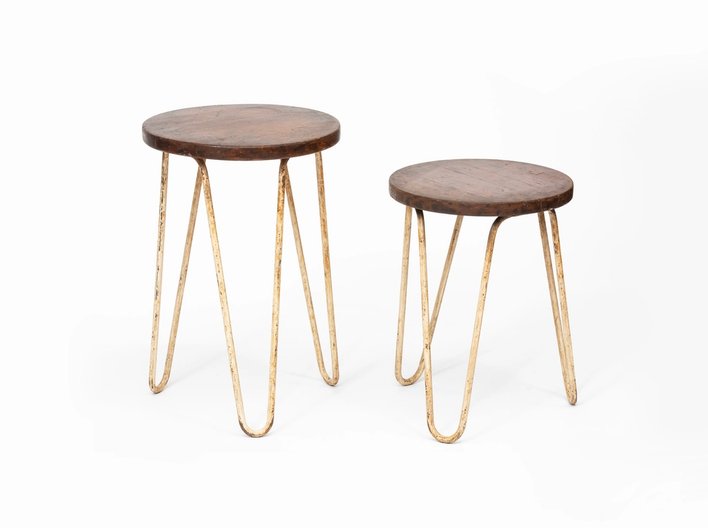
Le Corbusier + B. Doshi | “Stool, LC-AH-10-A”
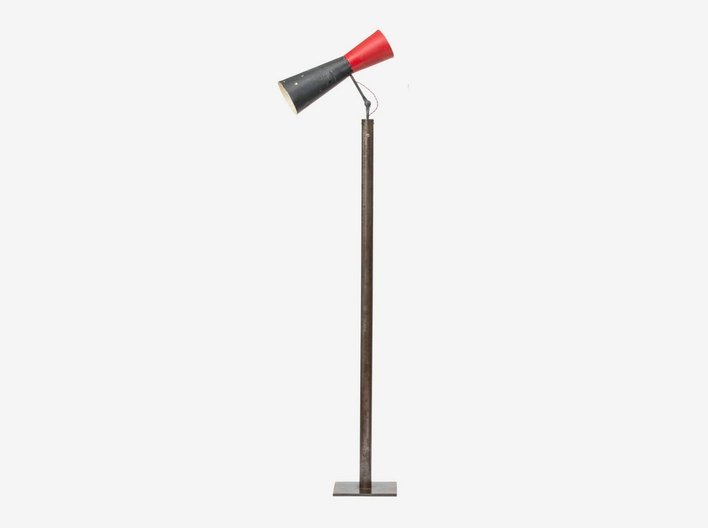
Le Corbusier | “Assembly 'Diablo' Lamp, LC-LU-02-A (Red/Black)”
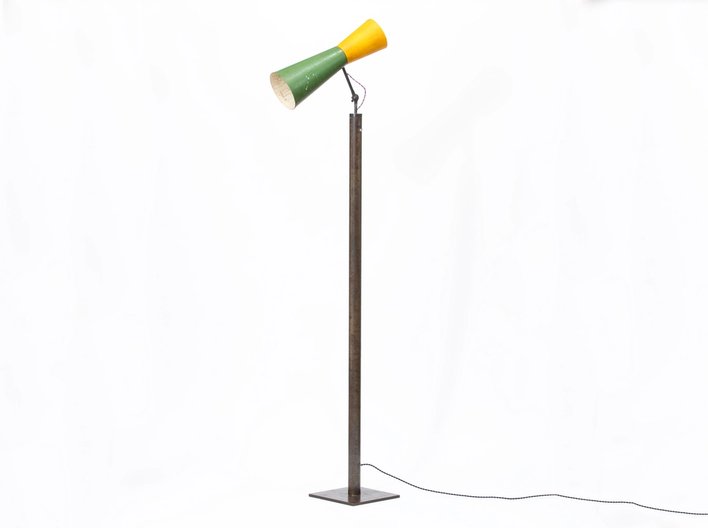
Le Corbusier | “Assembly 'Diablo' Lamp, LC-LU-02-A”
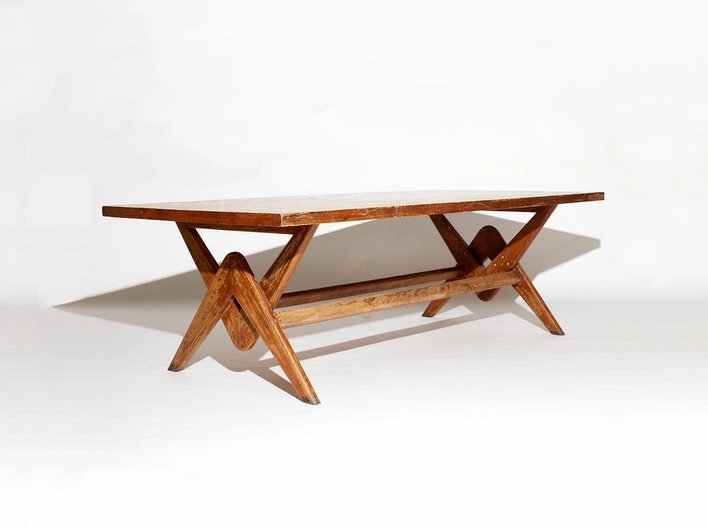
Pierre Jeanneret + Le Corbusier | “Boomerang Table, LC/PJ-TAT-14-A”
Related Artists